





For decades, the word evoked images of exclusive hotels, designer fashion houses, and experiences reserved for a privileged few. Today, however, luxury has become more personal. It is found in the small rituals people create for themselves — the moments that elevate ordinary routines into something meaningful.
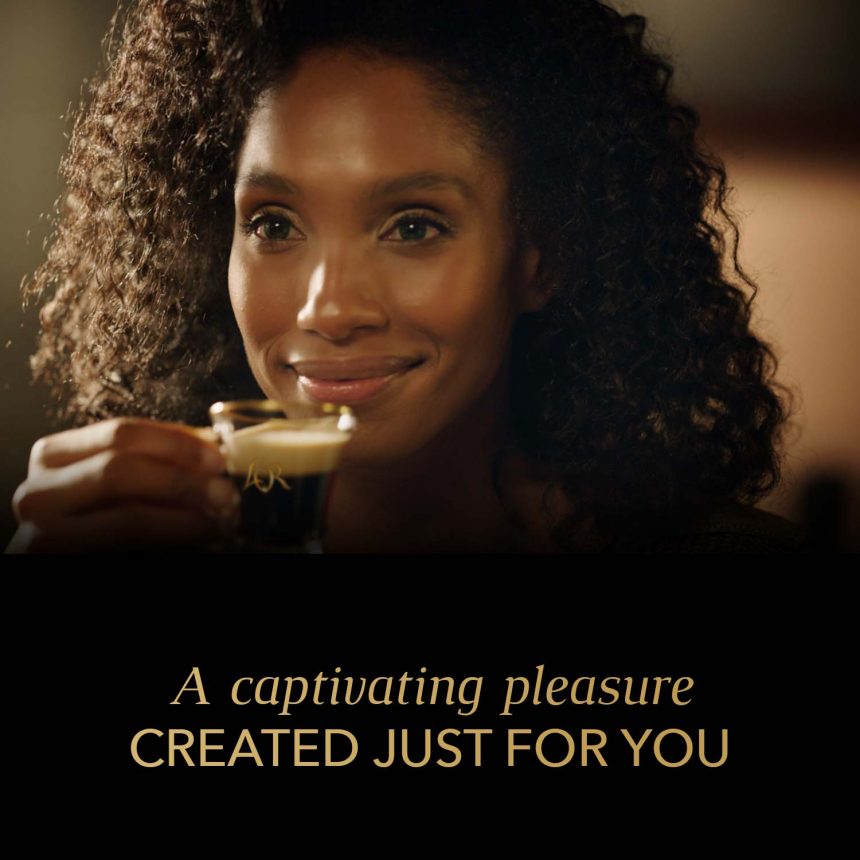
One of the brands that has successfully tapped into this shift is L’OR Espresso.
Known globally for its premium coffee offerings, L’OR has steadily built a reputation as a brand that combines craftsmanship, sophistication, and accessibility. Rather than positioning luxury as something unattainable, the brand has focused on bringing a refined coffee experience into homes, offices, and hospitality environments around the world.
The approach resonates strongly with modern consumers.
Across South Africa, coffee culture has undergone a remarkable transformation over the past decade. What was once a market dominated by convenience has evolved into one increasingly driven by quality, flavour profiles, origin stories, and brewing experiences. Consumers are asking more questions about what they drink, where it comes from, and how it is produced.
This growing appreciation for premium coffee has created fertile ground for brands that understand the importance of both quality and storytelling.
L’OR’s success lies in its ability to appeal to consumers who view coffee as more than a beverage. For many professionals, entrepreneurs, creatives, and executives, coffee has become part of a daily ritual that signals focus, productivity, and personal reward.
The morning espresso before an important meeting.
The mid-afternoon coffee that provides a moment of reflection during a demanding workday.
The carefully prepared cup shared with friends after dinner.
These moments may seem small, but they reflect a broader trend in consumer behaviour. Increasingly, people are investing in products that enhance everyday experiences rather than reserving indulgence for special occasions.
The global rise of premiumisation has been one of the most significant shifts in consumer markets over the past several years. Across industries ranging from food and beverages to travel and personal care, consumers are demonstrating a willingness to pay more for products that offer superior quality, authenticity, and emotional value.
Coffee has become one of the clearest examples of this phenomenon.
Consumers no longer judge coffee solely by caffeine content or convenience. They evaluate aroma, roasting techniques, flavour complexity, sustainability practices, and brand heritage. As a result, premium coffee brands have emerged as cultural symbols that communicate taste, aspiration, and lifestyle.
L’OR has positioned itself effectively within this environment.
The brand’s emphasis on craftsmanship and sensory experience reflects a broader understanding of what modern luxury means. Rather than relying on exclusivity alone, it focuses on delivering consistent quality while creating a sense of occasion around every cup.
This strategy has proven particularly relevant in South Africa, where a growing middle and upper-income consumer base continues to seek products that balance prestige with practicality.
The country’s coffee industry itself has experienced significant growth. Independent coffee shops, artisanal roasters, and specialty cafés have become fixtures in urban centres such as Johannesburg, Cape Town, Pretoria, and Durban. Alongside this growth has come a more educated consumer who appreciates premium offerings and values brands that demonstrate authenticity.
For hospitality businesses, the trend presents both an opportunity and a challenge.
Hotels, restaurants, and luxury venues increasingly recognise that guests evaluate their experiences holistically. Every detail matters. From interior design and service standards to food quality and beverage offerings, consumers expect consistency across every touchpoint.
Coffee has become a surprisingly important part of that equation.
A memorable dining experience can be elevated by an exceptional espresso. Likewise, a premium hotel stay can be reinforced through thoughtful in-room coffee offerings. These seemingly minor details often influence how consumers remember and discuss their experiences long after they have left.
Brands such as L’OR understand this dynamic and have successfully positioned themselves within spaces where quality and experience intersect.
Yet perhaps the most interesting aspect of the brand’s growth is what it reveals about changing consumer aspirations.
Modern luxury is no longer defined solely by ownership. It is increasingly defined by experience.
People want products that help them create moments of enjoyment, connection, and personal fulfilment. They seek brands that align with their values, lifestyles, and ambitions. They are less interested in status for its own sake and more interested in products that genuinely enhance their quality of life.
This shift explains why premium coffee continues to gain momentum globally and why brands operating in this category remain influential beyond the beverage sector.
In many ways, coffee has become a reflection of broader cultural trends. It represents craftsmanship in an age of mass production, ritual in an age of constant distraction, and quality in an age of abundance.
As South African consumers continue to embrace premium experiences, brands that understand these changing expectations will remain well positioned for growth.
L’OR Espresso’s continued rise suggests that luxury’s future may not lie in grand gestures or extravagant purchases. Instead, it may be found in the everyday moments people choose to make extraordinary.
And for millions of coffee lovers, that journey begins with a single cup.