




Beauty and fashion may occupy different shelves, but consumers rarely experience them as separate worlds.
What people wear, the fragrance they choose, the make-up they apply and the way they present themselves are all part of the same expression of identity. Increasingly, the conversation is not simply about looking good, but about having the freedom to decide how you want to look, feel and be seen.
That philosophy is central to Signature Cosmetics & Fragrances.
The proudly South African beauty brand has built its proposition around giving people the power to express who they want to be, regardless of who they are or where they come from. Its approach is equally clear on accessibility: quality beauty should not be defined by an intimidating price tag.
It is a proposition that has grown into a substantial retail business.
Beauty Within Reach
Signature’s story is particularly relevant in a beauty market where aspiration and accessibility do not always sit comfortably together.
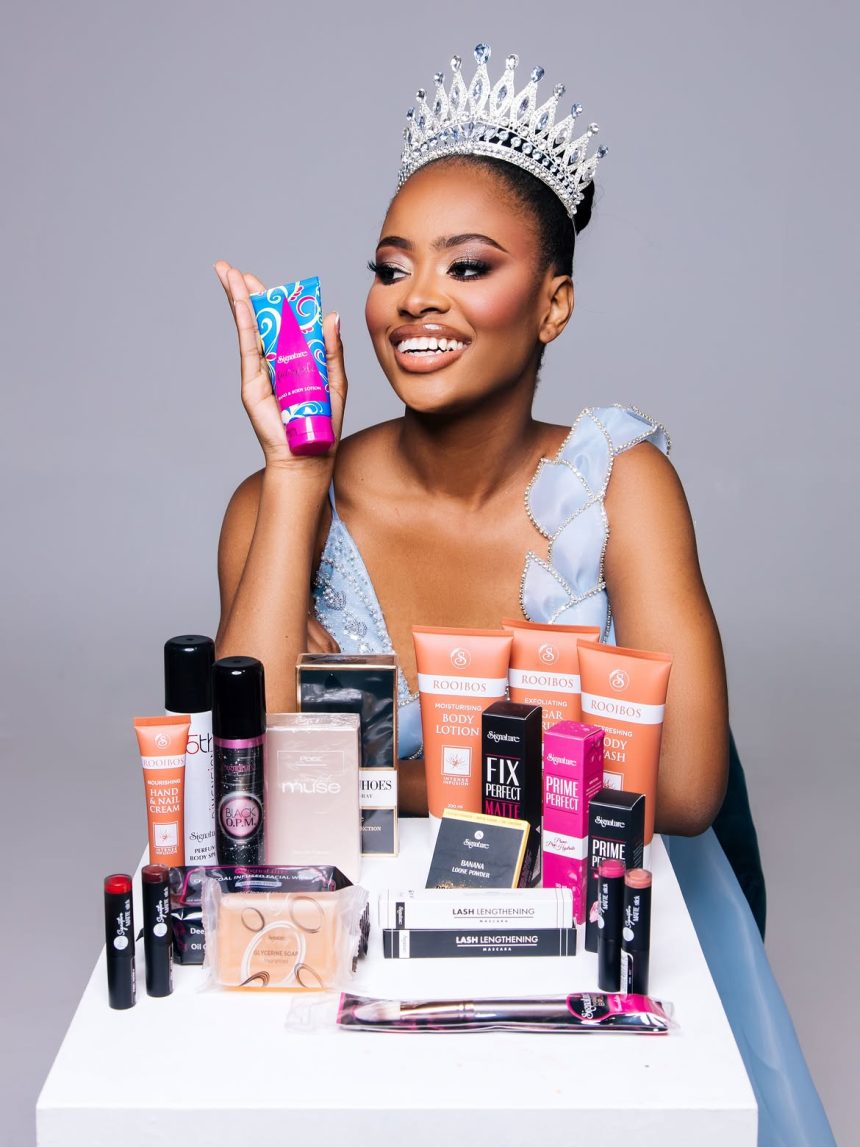
Its portfolio spans colour cosmetics, fragrances, bath and body, skincare and beauty accessories, giving consumers the opportunity to explore different aspects of beauty without having to build their routines around premium price points.
But accessibility, in Signature’s case, is more than a pricing strategy. It is part of the brand’s identity.
The company’s own philosophy is that beauty should be available across lifestyles and demographics, whether the consumer is sophisticated or carefree, a student or a professional. That broad appeal has helped shape Signature’s position as a beauty retailer with an unusually direct relationship with the everyday consumer.
And that relationship has scale behind it.
Signature says the business has grown from just over 50 stores in 2010 to more than 168 stores across South Africa, Botswana and Namibia. The expansion demonstrates not only the demand for accessible beauty, but the strength of a retail model built around bringing beauty products closer to consumers.
Building More Than a Beauty Retailer
Behind the stores is a business model designed to give Signature greater control over its proposition.
Recent reporting on the company notes that its offering sits under its own private label, giving Signature greater control over pricing, positioning and product development. The business is now focused on sharper branding, stronger product quality and broader regional growth, while continuing to compete around accessible beauty.
That control becomes increasingly important as consumers expect more from affordable beauty.
Value alone is no longer enough. Consumers also want products that look good, perform well and feel relevant to their lifestyles.
Signature’s challenge — and opportunity — is therefore not simply to offer affordable products, but to make affordability feel aspirational.
That distinction is important.
It is also where the brand’s evolution becomes particularly interesting. Signature has described an ambition to grow beyond its established retail proposition and become Africa’s premier lifestyle and beauty brand, while continuing to expand its Southern African footprint.
Its local identity remains an important part of that journey. Signature says 50% of its products are manufactured in South Africa, placing local production alongside its broader ambition to build an African beauty business.
Where Beauty Meets Fashion
It is against this backdrop that Signature’s involvement with the 2nd annual South Africa Fashion Awards becomes more than a conventional brand association.
Held on 3 October 2026 at Hotel Sky in Sandton, Johannesburg, the awards brought together the people and businesses shaping South African fashion, spanning designers, models, stylists, photographers, beauty innovators, retailers, executives, brands and campaigns across 21 publicly voted categories.
Signature joined that ecosystem as the Category Presenting Sponsor of Best Fashion Retailer.
The alignment is significant because retail is one of the places where fashion, beauty and consumer behaviour converge.
Designers create the vision. Brands give that vision identity. Beauty adds another dimension to personal presentation. Retail ultimately brings those ideas into the hands of consumers.
For Signature, that makes the Best Fashion Retailer category a particularly natural space in which to participate.
The brand’s involvement also extended into the guest experience, with Signature contributing products to the official goodiebags.
That created a second point of connection: from visibility around the awards platform to an opportunity for guests to physically encounter the brand.
For a company whose proposition is built around accessibility, discovery and personal expression, that distinction matters. A product can move a brand relationship from something seen to something experienced.
Signature was also among the nominees for Best Make-up Brand, placing the brand within another part of the awards’ wider beauty conversation.
The Bigger Picture
The relationship between fashion and beauty continues to evolve.
Consumers increasingly move fluidly between categories, with clothing, fragrance, cosmetics, skincare and personal care becoming parts of one broader lifestyle and identity ecosystem.
That creates opportunities for brands that understand not only what consumers buy, but why they buy it.
Signature’s growth reflects that changing environment. Its expanding retail footprint, private-label model, local manufacturing commitment and regional ambitions point towards a business that is building more than a portfolio of beauty products.
It is building a platform through which consumers can access beauty, experiment with their personal style and ultimately express something about themselves.
That is where Signature’s connection to fashion becomes particularly relevant.
The South Africa Fashion Awards provided a stage on which that relationship could be seen — through the Best Fashion Retailer category, through the brand’s contribution to the guest experience, and through its own presence within the wider beauty conversation.
For Signature Cosmetics & Fragrances, the opportunity is ultimately bigger than beauty alone.
It is about making beauty accessible enough to participate in, personal enough to mean something, and expressive enough to become part of who we are.
Because fashion may shape the look, beauty may complete it, but self-expression is what makes it yours.